
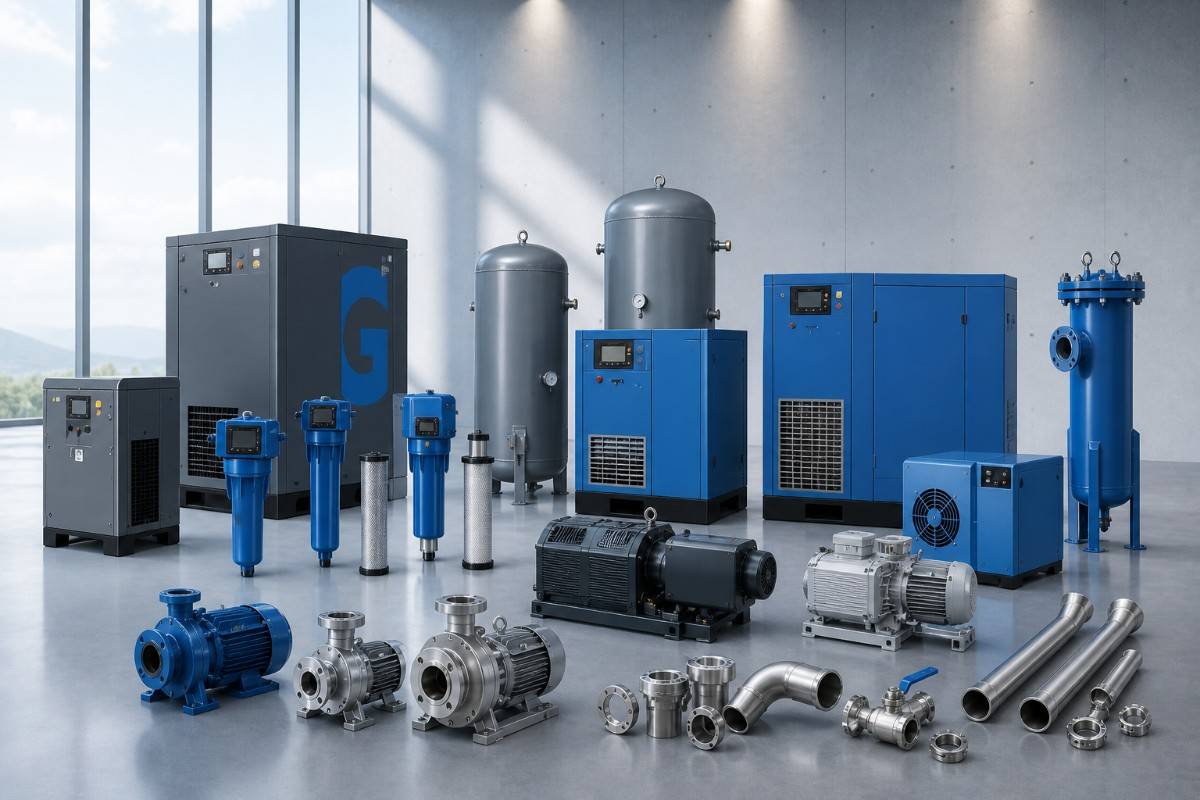
Compressed air naturally contains water vapor. Once the air gets compressed, that moisture becomes concentrated and starts affecting the entire system. Without proper drying, even a powerful compressor can struggle to deliver reliable performance over time.
At Times Marketing, we’ve noticed that many industries invest heavily in compressors but overlook air treatment systems completely. Later, they end up facing preventable maintenance issues and operational downtime.
Air Dryer for Compressor
An air dryer for compressor systems removes moisture from compressed air before it travels through pipelines, machinery, and pneumatic tools. This helps protect equipment, maintain product quality, and improve overall system efficiency.
Think of it as a protective shield for your compressed air network. Without proper drying, moisture slowly damages everything connected to the system.
Why Moisture Is a Problem in Compressed Air Systems
Compressed air always contains some level of humidity. When the air cools after compression, water condenses inside tanks, pipelines, and machinery.
That moisture can lead to:
- Rust and corrosion
- Damaged pneumatic tools
- Product contamination
- Pressure instability
- Increased maintenance requirements
In my experience, businesses often underestimate how quickly moisture problems spread through an industrial air system once condensation starts building up.
Industries Most Affected by Moisture Problems
Moisture-sensitive industries include:
- Pharmaceutical manufacturing
- Food processing
- Automotive workshops
- Textile industries
- Electronics production
- Packaging facilities
For these industries, clean and dry compressed air is critical for smooth operations.
How an Air Dryer for Compressor Systems Works
The basic job of an air dryer is simple: remove excess moisture before compressed air reaches the equipment.
The process generally involves:
- Compressing atmospheric air
- Cooling the compressed air
- Separating water vapor
- Delivering dry compressed air to the system
Different dryer technologies handle this process in different ways depending on industrial requirements.
When I tried explaining compressed air dryers to workshop operators, comparing them to a household water filter made things easier to understand. Both systems remove unwanted elements before the final output gets used.
Types of Air Dryer for Compressor Systems
Not all dryers operate the same way. Different industries require different moisture control solutions.
Refrigerated Air Dryers
Refrigerated dryers cool compressed air to condense and remove moisture.
Best suited for:
- General industrial applications
- Automotive workshops
- Manufacturing facilities
- Packaging units
These dryers are among the most commonly used systems because they provide reliable moisture removal for standard industrial operations.
Advantages of Refrigerated Dryers
- Consistent performance
- Simple maintenance
- Energy-efficient operation
- Reliable moisture control
Desiccant Air Dryers
Desiccant dryers use moisture-absorbing materials to remove humidity from compressed air.
Ideal for:
- Pharmaceutical industries
- Electronics manufacturing
- Food processing
- Laboratories
These systems achieve extremely low moisture levels required for sensitive industrial applications.
In my experience, desiccant dryers are especially valuable in industries where even tiny moisture contamination can affect product quality.
Membrane Air Dryers
Membrane dryers use specialized filtration membranes to separate water vapor from compressed air.
These systems are commonly used in:
- Medical equipment
- Small industrial operations
- Portable compressed air setups
They are compact and require relatively low maintenance.
Benefits of Using an Air Dryer for Compressor Systems
Prevents Rust and Corrosion
Dry compressed air protects pipelines, storage tanks, and pneumatic components from moisture-related damage.
Improves Equipment Lifespan
Moisture-free air reduces internal wear and extends machinery life.
Enhances Product Quality
Industries like pharmaceuticals and food processing depend on clean compressed air for contamination control.
Reduces Maintenance Costs
Dry systems experience fewer breakdowns and less corrosion damage.
Improves Operational Efficiency
Stable airflow and moisture control help maintain consistent production performance.
At Times Marketing, we’ve seen businesses significantly reduce maintenance disruptions simply by installing properly sized air dryers alongside their compressor systems.
Signs Your Compressor System Needs an Air Dryer
Some moisture problems develop gradually, making them easy to ignore at first.
Water in Air Lines
Visible moisture inside pipelines is a major warning sign.
Rusty Pneumatic Tools
Corrosion inside tools often points to excessive moisture in the air system.
Product Quality Issues
Moisture contamination can affect production quality in sensitive industries.
Pressure Fluctuations
Water buildup inside air systems sometimes causes unstable airflow.
Frequent Maintenance Problems
Repeated valve or filter failures may indicate poor moisture control.
I’ve noticed that many businesses tolerate these warning signs for months before realizing the root cause is untreated compressed air.
How to Choose the Right Air Dryer for Compressor Applications
Selecting the correct dryer depends on several important factors.
Airflow Capacity
The dryer must match the compressor’s airflow requirements.
Required Dew Point
Different industries require different moisture levels.
For example:
- General manufacturing may tolerate moderate moisture levels
- Pharmaceutical operations require extremely dry air
Operating Environment
High-temperature or humid environments may require stronger drying performance.
Maintenance Requirements
Some dryers require more maintenance than others.
At Times Marketing, we usually recommend evaluating the full compressed air system before selecting a dryer because airflow demand, humidity levels, and industry standards all matter.
Common Problems with Air Dryer Systems
Even good air dryers need proper maintenance.
Clogged Filters
Dirty filters reduce drying efficiency and airflow performance.
Refrigeration Failures
Refrigerated dryers may lose cooling efficiency over time.
Desiccant Saturation
Desiccant materials eventually lose moisture absorption capability.
Drainage Issues
Blocked drains allow water accumulation inside the system.
Incorrect Sizing
Undersized dryers struggle during peak compressor demand.
According to a 2025 industrial air systems report by Manufacturing Engineering India, nearly 45% of compressed air system inefficiencies are linked to moisture management problems. That highlights how critical proper air treatment really is.
Maintenance Tips for Air Dryer for Compressor Systems
Routine maintenance helps dryers perform efficiently for years.
Inspect Filters Regularly
Dirty filters reduce airflow and drying performance.
Monitor Drain Systems
Automatic drains should operate properly to remove collected moisture.
Check Refrigeration Performance
Refrigerated dryers require stable cooling operation.
Replace Desiccant Materials When Needed
Desiccant dryers lose effectiveness if the drying material becomes saturated.
Schedule Preventive Servicing
Routine inspections help identify issues before they affect production.
In my experience, preventive maintenance always costs less than repairing moisture-related equipment damage later.
Why Industries Depend on Dry Compressed Air
Compressed air systems support critical industrial operations every day.
Industries that heavily rely on moisture-free compressed air include:
- Automotive manufacturing
- Pharmaceutical production
- Textile processing
- Food packaging
- Electronics assembly
- Chemical manufacturing
For these industries, air quality directly affects operational reliability and product standards.
Emerging Trends in Compressor Air Drying Technology
Air treatment systems continue improving with modern industrial demands.
Energy-Efficient Dryers
Manufacturers are designing dryers that consume less electricity while maintaining strong performance.
Smart Monitoring Systems
Modern systems now track:
- Dew point levels
- Moisture content
- Maintenance schedules
- Operational efficiency
Compact Dryer Designs
Industries increasingly prefer space-saving air treatment equipment.
Improved Filtration Technology
Advanced filtration systems help improve compressed air purity even further.
Final Thoughts
An effective air dryer for compressor systems does far more than remove water vapor. It protects machinery, improves air quality, reduces maintenance problems, and supports reliable industrial performance every day.
Compressed air systems work hard behind the scenes in countless industries. Without proper moisture control, even high-quality compressors eventually face avoidable damage and operational inefficiencies.
Dry air keeps the entire system healthier, cleaner, and more dependable over the long run.