
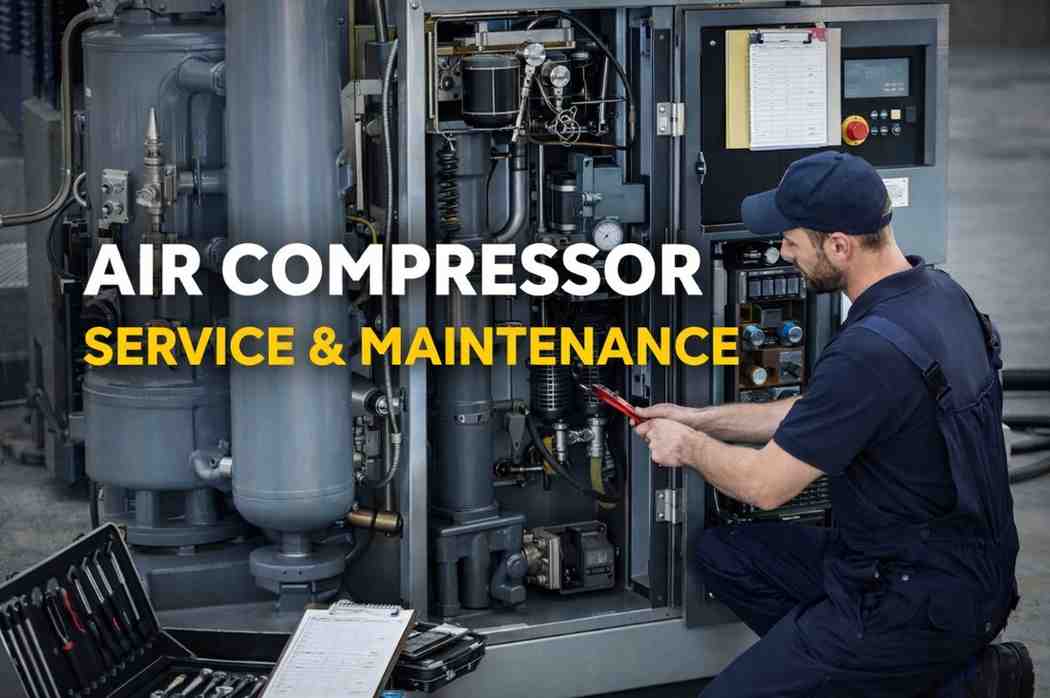
Ask any plant manager what keeps them up at night, and somewhere on that list, you'll find "what if the compressor stops working." It's a fair worry. Compressed air quietly runs a huge part of daily operations — pneumatic tools, packaging lines, painting booths, control systems — and when it stops, everything connected to it stops too.
The good news is, most compressor breakdowns don't happen out of nowhere. They build up slowly, through small things that get ignored — a filter that hasn't been cleaned in months, a leak nobody noticed, an oil change that kept getting pushed back. At Times Marketing Pvt Ltd, we've spent decades helping businesses keep their industrial air compressors running the way they're supposed to, and honestly, most of it comes down to routine maintenance done right and done on time.
In this guide, we'll walk you through exactly what that routine maintenance should look like — daily, weekly, monthly, and annually — and why regular air compressor service matters far more than most businesses realise until something breaks.
Why Routine Maintenance Actually Matters
It's easy to think of maintenance as an optional expense — something you can skip when budgets are tight or production schedules are packed. But in reality, it's the opposite. A well-maintained compressor uses less energy, breaks down less often, and simply lasts longer. A neglected one costs you in ways that aren't always obvious right away — slowly rising electricity bills, more frequent repairs, and eventually, a breakdown at the worst possible time.
We've seen this pattern repeat across almost every industry we work with. Businesses that stick to a maintenance schedule rarely call us with emergencies. The ones that skip it usually end up calling far more often — and paying more for it too.
Daily Maintenance Checks
Daily checks don't take long, but they catch small issues before they become expensive ones.
Check for unusual noise or vibration. A compressor that suddenly sounds different — louder, rattling, or vibrating more than usual — is often trying to tell you something. Catching this early can prevent a much bigger repair later.
Inspect for visible leaks. Air leaks are one of the most common (and most overlooked) sources of energy waste in compressed air systems. A quick daily walk-around to check hoses, fittings, and connections can save a surprising amount on your electricity bill over time.
Monitor the pressure gauge. If pressure readings look inconsistent or lower than usual, it could point to a leak, a clogged filter, or a developing mechanical issue.
Check the oil level (for lubricated compressors). Running a lubricated compressor with low oil levels can cause serious internal damage. This one takes thirty seconds and can save you a very expensive repair.
Drain condensate from the receiver tank. Moisture builds up in the tank over time, and if it's not drained regularly, it can lead to corrosion and reduce your air quality.
Weekly Maintenance Tasks
Clean or inspect air filters. Dust and debris build up faster than most people expect, especially in industrial environments. A dirty filter forces the compressor to work harder, which increases energy consumption and wears the machine down faster.
Check belt tension (for belt-driven models). A belt that's too loose or too tight can affect performance and lead to premature wear. This is a quick visual and physical check that's easy to skip but shouldn't be.
Inspect safety valves. Safety valves are there for a reason — testing them regularly ensures they'll actually work if pressure ever exceeds safe limits.
Look over electrical connections. Loose or worn electrical connections aren't just a performance issue, they're a safety risk. A quick weekly check helps catch problems before they become dangerous.
Monthly Maintenance Tasks
Check and top up oil levels properly. Beyond the quick daily glance, a more thorough monthly check ensures oil quality hasn't degraded and levels are accurate across the system.
Inspect and clean the intake air filter thoroughly. A deeper clean than the weekly check helps prevent gradual efficiency loss that's easy to miss day-to-day.
Test automatic drain valves. These are meant to release condensate automatically, but they can get stuck or clogged. Testing them monthly ensures they're actually doing their job.
Inspect hoses and connections for wear. Small cracks or wear patterns that aren't leaking yet can turn into bigger problems if left unaddressed. Monthly checks catch these before they escalate.
Quarterly and Half-Yearly Maintenance
Replace air and oil filters as needed. Even well-maintained filters eventually need replacing, not just cleaning. Following manufacturer-recommended intervals keeps performance consistent.
Check motor bearings and lubrication. Bearings that run dry or without proper lubrication wear out faster and can eventually cause motor failure.
Inspect the cooling system. Overheating is one of the leading causes of compressor failure. Regular checks on cooling fans, radiators, or cooling fins help prevent this.
Calibrate pressure sensors and controls. Over time, sensors can drift slightly out of calibration, which affects both performance and energy efficiency.
Annual Maintenance and Professional Servicing
Some tasks genuinely need a trained technician, not just an in-house team, especially for larger industrial air compressors running continuous shifts.
Complete oil and filter change. A full annual oil change, along with fresh filters, keeps internal components protected and running efficiently.
Thorough internal inspection. A professional air compressor service typically includes checking internal components — valves, seals, bearings — for wear that isn't visible from the outside.
Vibration analysis. For larger industrial units, vibration analysis can catch mechanical issues long before they cause a breakdown, saving significant repair costs.
Overall performance testing. Comparing current performance against baseline specifications helps identify gradual efficiency loss that builds up unnoticed over months or years.
This is exactly the kind of maintenance we handle for our customers at Times Marketing Pvt Ltd — not just fixing problems when they show up, but catching the small signs before they turn into downtime.
Signs Your Compressor Needs Immediate Servicing
Even with a solid maintenance routine, it helps to know the warning signs that shouldn't be ignored:
- Unusual noises, knocking, or grinding sounds
- Excessive vibration during operation
- A noticeable drop in air pressure or output
- Overheating or the compressor shutting off unexpectedly
- Visible oil or air leaks
- A sudden, unexplained rise in electricity consumption
If you notice any of these, it's worth getting a professional air compressor service done sooner rather than later. Waiting it out almost always ends up costing more than acting early.
Benefits of Sticking to a Maintenance Schedule
Lower energy bills. A well-maintained compressor runs more efficiently, which directly reduces electricity costs — often more than businesses expect.
Fewer unexpected breakdowns. Routine checks catch small issues before they turn into major, production-halting failures.
Longer equipment life. Compressors that are properly maintained can run reliably for well over a decade, compared to a much shorter life for neglected ones.
Better air quality. Regular filter and dryer maintenance keeps your compressed air clean, which matters enormously for industries like pharmaceuticals, food processing, and electronics.
Fewer production delays. Every hour of downtime has a cost, whether it's missed deadlines or idle staff. Preventive maintenance keeps that risk to a minimum.
Common Maintenance Mistakes to Avoid
Over the years, we've noticed a few mistakes that come up again and again:
- Skipping small daily checks because they seem too minor to matter
- Delaying oil changes past the recommended interval
- Ignoring small leaks, assuming they're not worth fixing
- Using non-genuine spare parts, which can wear out faster and affect performance
- Waiting until something breaks instead of following a scheduled maintenance plan
Most of these come from treating maintenance as something to do "when there's time," rather than building it into the regular operating routine.
Why Choose Times Marketing Pvt Ltd for Air Compressor Service
We've been working with industrial air compressors since 1988, and as an authorised Atlas Copco channel partner, we bring genuine parts, proper technical expertise, and honest guidance to every service we provide.
- Decades of hands-on experience across a wide range of industries and compressor types
- Genuine spare parts that protect your equipment's performance and lifespan
- Skilled technicians trained to catch issues that aren't always obvious
- Scheduled maintenance plans designed around your actual operating hours and needs
- Reliable after-sales support, so help is available when you actually need it
We believe good air compressor service isn't just about fixing what's broken — it's about preventing the breakdown in the first place.
Frequently Asked Questions
1. How often should industrial air compressors be serviced? Daily and weekly checks should be routine, with more thorough monthly and quarterly inspections, and a full professional service at least once a year, depending on usage hours.
2. What happens if I skip regular air compressor service? Skipping maintenance usually leads to higher energy consumption, more frequent breakdowns, reduced air quality, and a significantly shorter equipment lifespan.
3. Can I perform maintenance myself, or do I need a professional? Daily and weekly checks can usually be handled in-house, but tasks like internal inspections, vibration analysis, and full servicing are best left to trained professionals.
4. Does Times Marketing Pvt Ltd offer maintenance contracts? Yes, we offer scheduled maintenance plans tailored to your compressor type and operating hours, along with genuine spare parts and expert support.
5. What's the biggest sign that a compressor needs immediate service? Unusual noise, a sudden drop in pressure, overheating, or visible leaks are all signs that shouldn't be ignored and typically call for prompt professional attention.
Final Thoughts
Routine maintenance isn't the most exciting part of running a compressed air system, but it's easily one of the most important. A little consistent care — daily checks, timely servicing, and genuine parts — goes a long way in keeping your industrial air compressors reliable, efficient, and running for years without major issues.
At Times Marketing Pvt Ltd, we help businesses build maintenance routines that actually work for their operation, backed by decades of experience and honest, dependable air compressor service.
Get in touch with Times Marketing Pvt Ltd today to schedule your air compressor maintenance and keep your operations running smoothly.